
Ordering Food In Georgian Restaurants Requires Knowing These Specific Phrases

Author
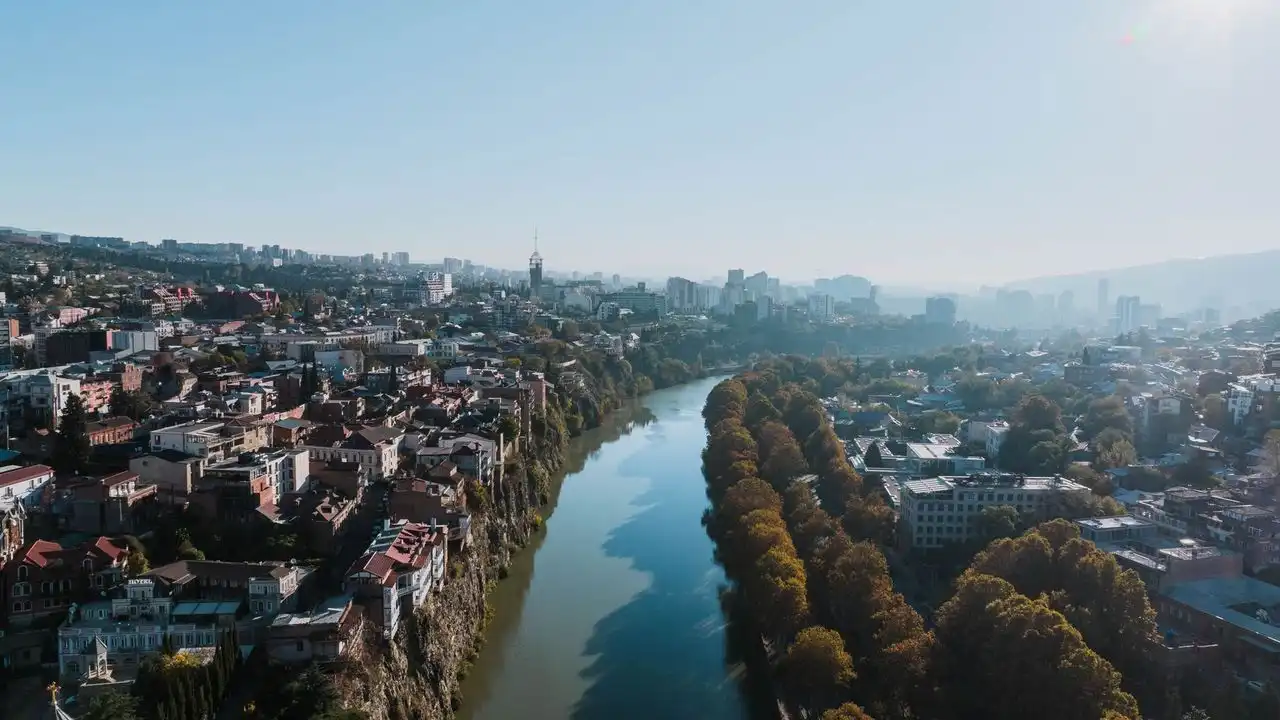
Eating out in Georgia is one of the best ways to experience the local culture.
Most menus in major cities like Tbilisi and Batumi have English translations.
However, ordering your meal in Georgian will instantly earn you the waiter’s respect.
Knowing just a few essential phrases completely changes how you’re treated in local restaurants.
This guide covers exactly what to say from the moment you sit down to the moment you pay the bill.
Table of contents:
- Getting a table
- Essential food and drink vocabulary
- Placing your order
- [Navigating spice levels and regional variations](#spice levels)
- Asking for the bill
- Saying thank you
Getting a table
The first thing you’ll do when walking into a Georgian restaurant is ask for a table.
Waiters will usually greet you immediately at the door.
You can simply respond with a standard greeting and state the number of people in your group.
The Georgian word for table is magida (მაგიდა).
Here’s how you ask for a table for two people.

გამარჯობა, მაგიდა ორ პერსონაზე თუ შეიძლება.
If you have a larger group, you just replace the number two (ori) with the correct number of people.
მაგიდა ოთხ პერსონაზე, თუ შეიძლება.
Essential food and drink vocabulary
Before you place your order, it helps to know the basic nouns for common food and drink items.
Georgian cuisine is famous for its bread, cheese, and meat dishes.
You’ll see these foundational ingredients on almost every menu.
Here’s a simple reference table for the most common food items you’ll order.
| English | Georgian | Transliteration |
|---|---|---|
| Water | წყალი | tskali |
| Wine | ღვინო | ghvino |
| Bread | პური | puri |
| Meat | ხორცი | khortsi |
| Cheese | ყველი | kveli |
| Chicken | ქათამი | katami |
| Pork | ღორი | ghori |
| Beef | საქონელი | sakoneli |
Placing your order
When the waiter is ready to take your order, you can use a very simple sentence structure.
In Georgian, the word for “I want” is minda (მინდა).
You can simply state the name of the dish followed by minda.
It’s always polite to add tu sheidzleba (თუ შეიძლება), which means “if it’s possible” or “please”.
ერთი ხაჭაპური მინდა, თუ შეიძლება.
If you’re ordering for the whole table, you can ask the waiter to bring the items to you.
The phrase for “bring us” is mogvitanget (მოგვიტანეთ).
ორი ჭიქა ღვინო მოგვიტანეთ, თუ შეიძლება.
If you want to practice hearing these phrases spoken naturally by natives, you can use Talk In Georgian to build your listening comprehension.
Navigating spice levels and regional variations
Georgian food varies greatly depending on which region the dish comes from.
Western Georgian cuisine, particularly from the Samegrelo region, is known for being incredibly spicy.
Megrelian food uses heavy amounts of adjika (აჯიკა), a highly spiced chili pepper paste.
If you’re ordering a Megrelian dish like kharcho or kupati, you might want to ask about the spice level.
The word for spicy is tskhare (ცხარე).
ეს ცხარეა?
არ ძაან ცხარე, თუ შეიძლება.
If you’re a vegetarian, you need to be specific when ordering in traditional Georgian restaurants.
Meat is a staple in the local diet.
You can ask for a dish without meat by using the word ukhortso (უხორცო).
უხორცო, თუ შეიძლება.
Asking for the bill
Getting the waiter’s attention to pay is usually quite relaxed in Georgia.
You can just make eye contact and use the word for bill, which is angarishi (ანგარიში).
ანგარიში, თუ შეიძლება.
Most modern restaurants in Georgia accept card payments.
However, it’s always a good idea to confirm before you pay.
The word for card is barati (ბარათი).
ბარათით გადახდა შეიძლება?
ნაღდით გადავიხდი.
Saying thank you
Georgians are extremely hospitable and appreciate it when foreigners compliment their food.
When you leave the restaurant, be sure to thank the staff for the meal.
You can tell them that the food was very delicious.
The word for delicious is gemrieli (გემრიელი).
დიდი მადლობა. ძალიან გემრიელი იყო.
Keep these specific phrases handy on your phone the next time you sit down at a Georgian restaurant.
You’ll quickly find that the locals treat you with even more warmth and hospitality.